
Heat gun buying guide
- best heat gun
- how to choose a heat gun
- heat gun buying guide
- variable temperature heat gun
- digital heat gun
Heat Gun Resource Library
This section starts with the keyword plan, then releases one new article every weekday: with the first guide live now and the rest scheduled for weekdays through July 2026.
Keyword Plan
Topic Hubs
These hub pages organize the core questions people ask before choosing a heat gun, mini heat gun, accessory, or project setup.
Start Here
Choose a heat gun by project, temperature range, airflow, nozzle support, safety features, and how often you will use it.
Open guideBurn and Fire Prevention
Practical safety guidance for heat gun projects, cool-down, ventilation, flammable materials, and workspace setup.
Open guideRefinishing
Compare heat gun features for softening paint, scraping safely, and avoiding common refinishing mistakes.
Open guideBench Work
Heat gun tips for shrink tubing, wire jackets, connectors, electronics benches, and when to choose a rework station instead.
Open guideSmall Projects
Choose mini heat guns for embossing, resin bubbles, vinyl, candle work, labels, and other small craft-table jobs.
Open guideEditorial Schedule
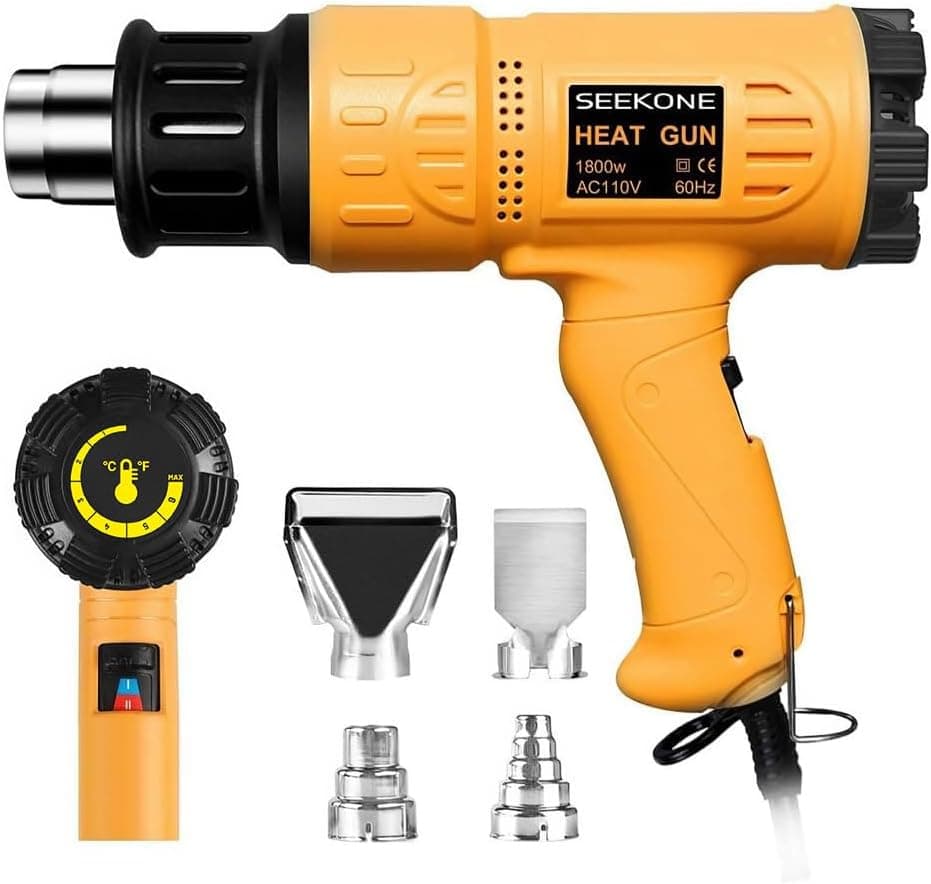
A practical first-pass guide to temperature, airflow, nozzles, safety, and which style of heat gun fits the job.
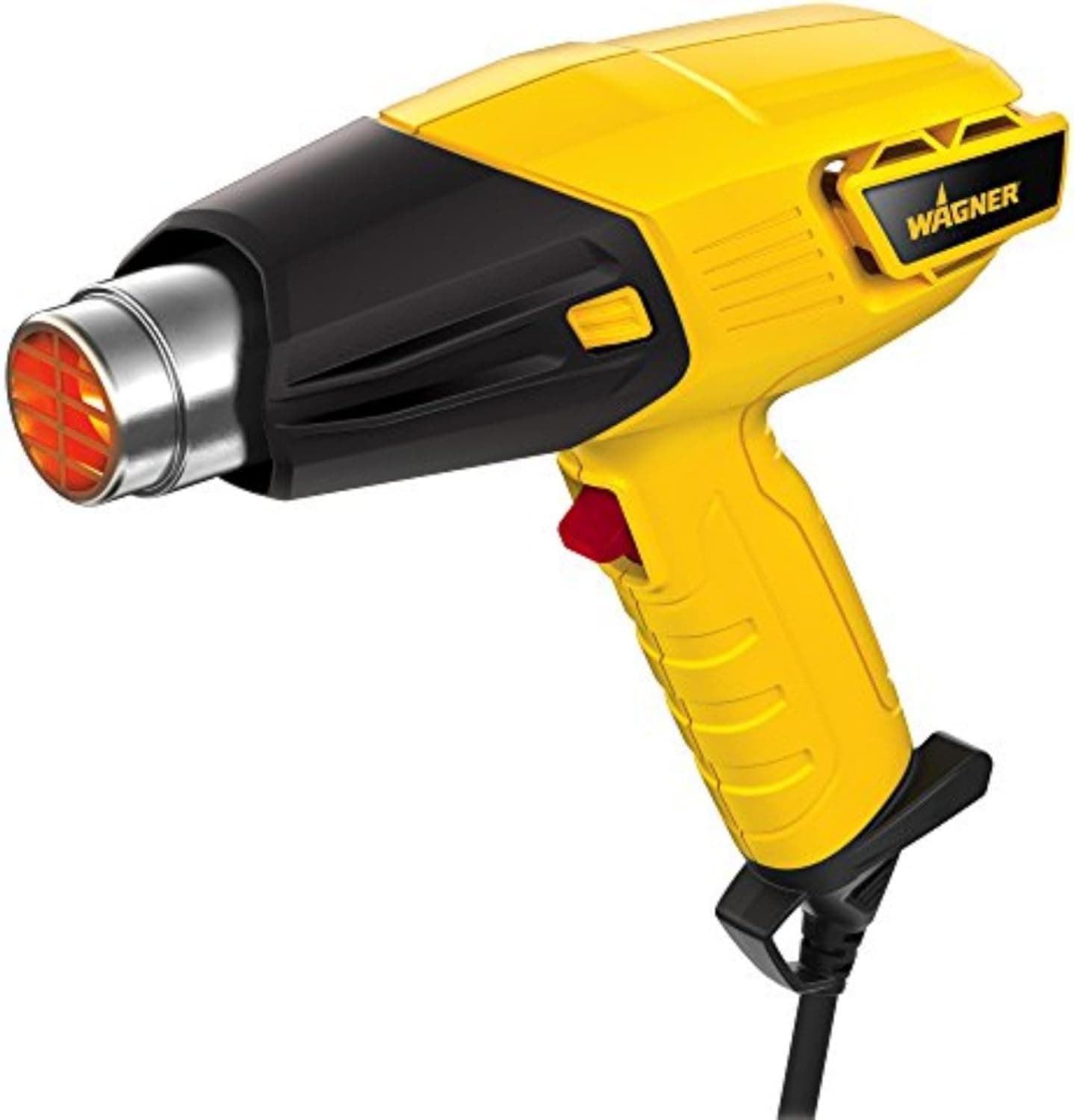
A beginner-friendly guide to controls, stands, nozzles, and safety habits that make a first heat gun easier to use.
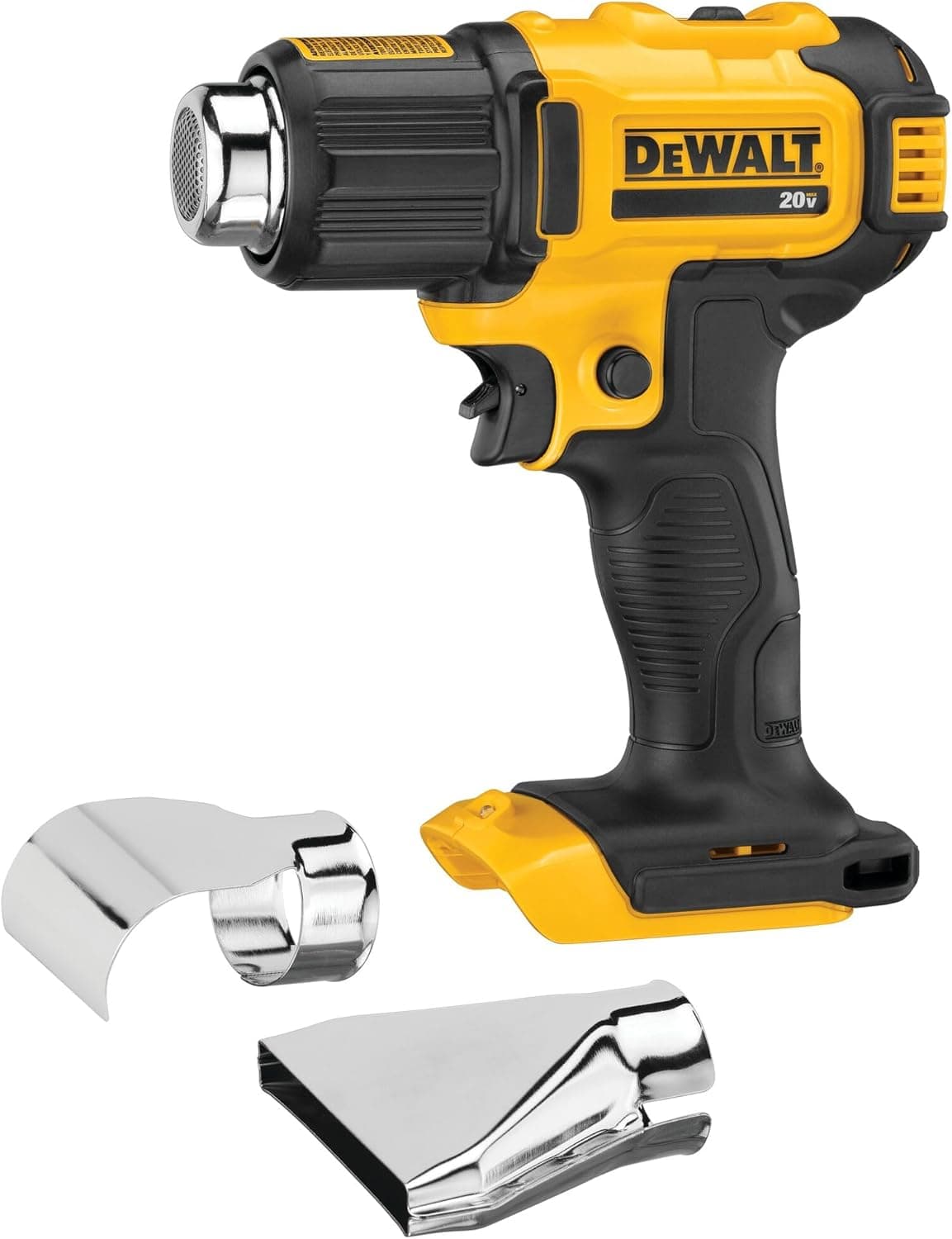
Corded heat guns win for long heat sessions while cordless tools shine for short mobile repairs.
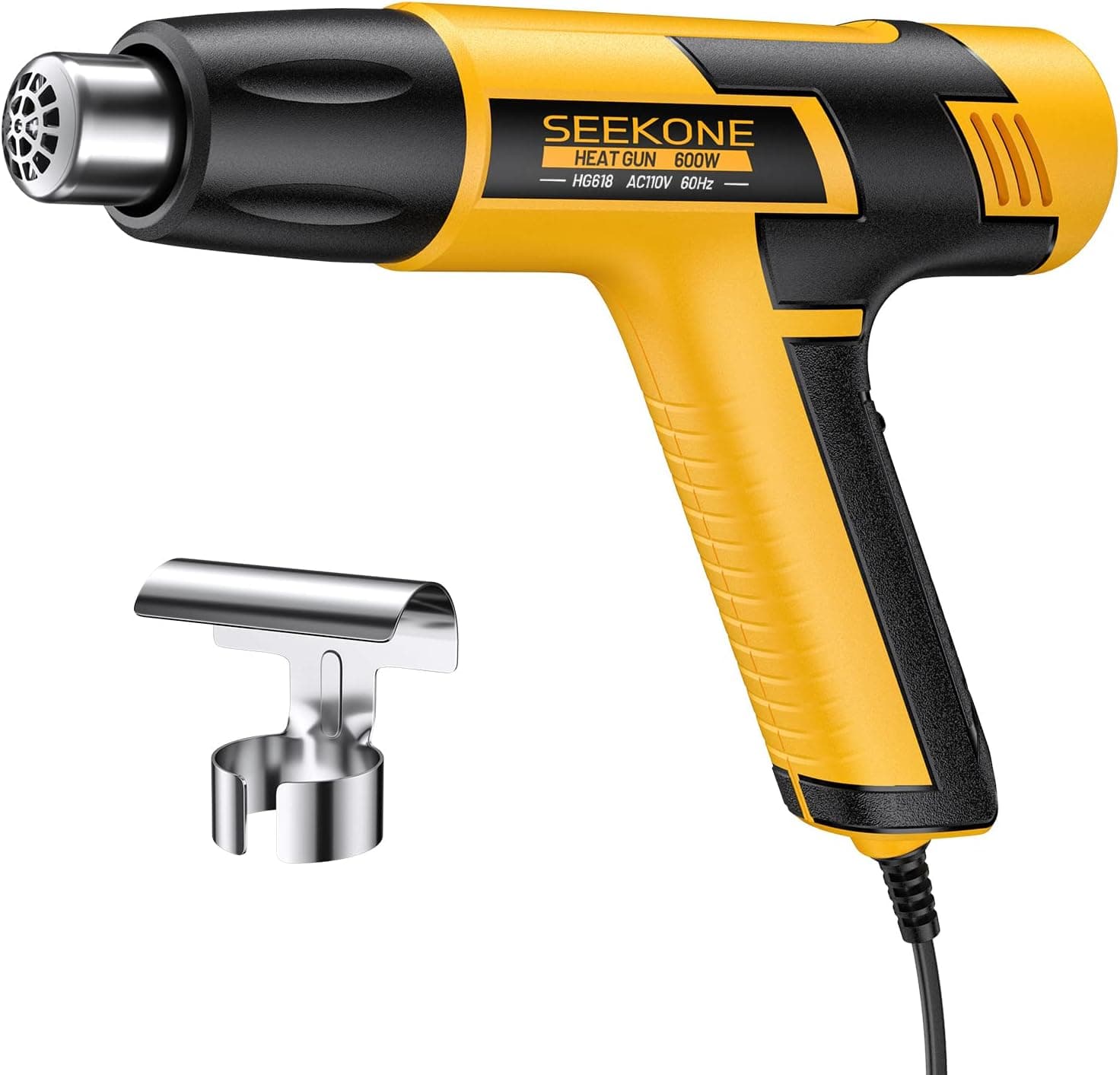
Learn how to approach shrink tubing without scorching wire jackets, connectors, or nearby surfaces.
A simple safety checklist for burns, fire risk, fumes, glass, paint, and flammable materials.
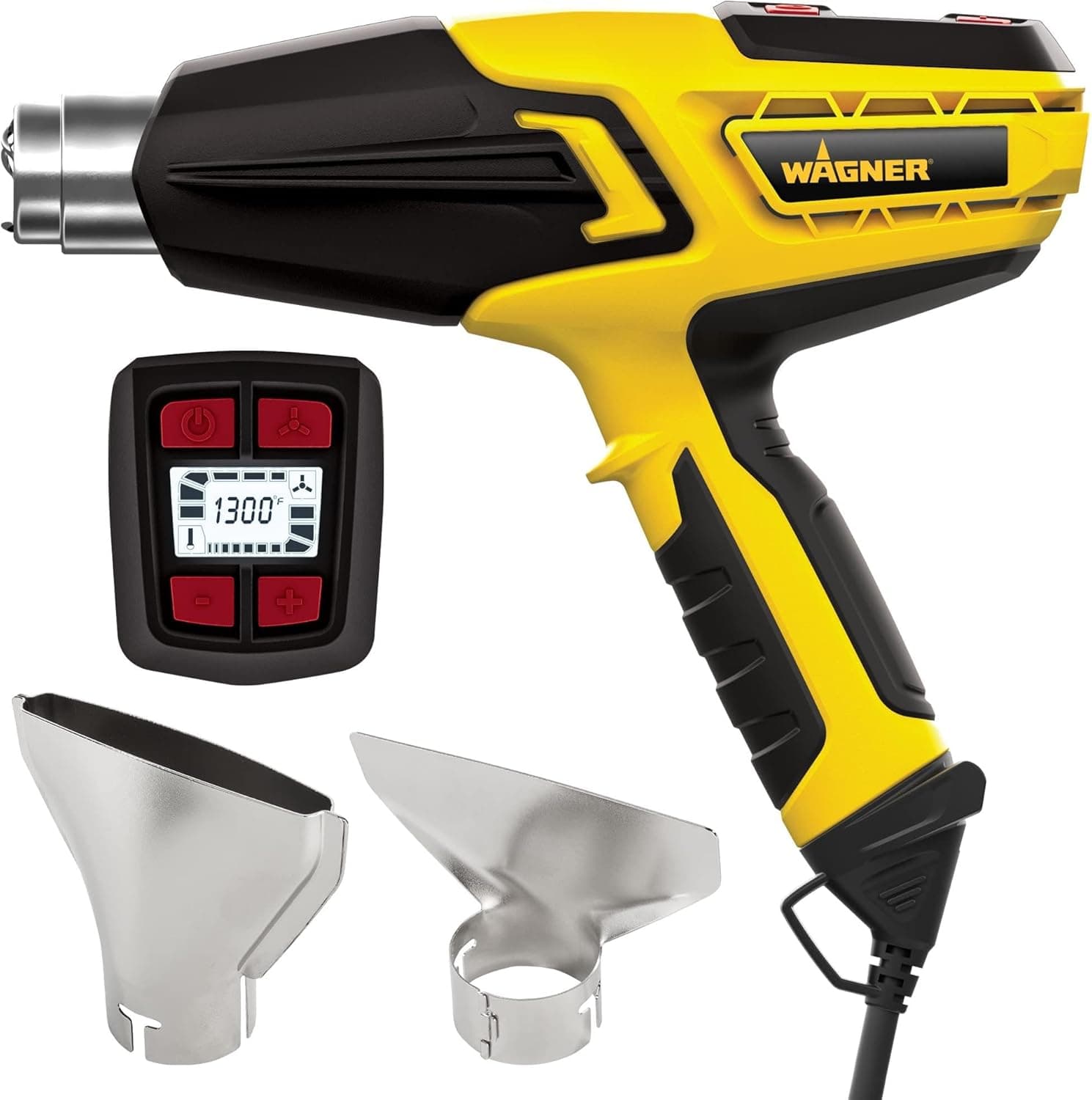
Paint removal needs controlled heat, patience, ventilation, and extra caution around old coatings.
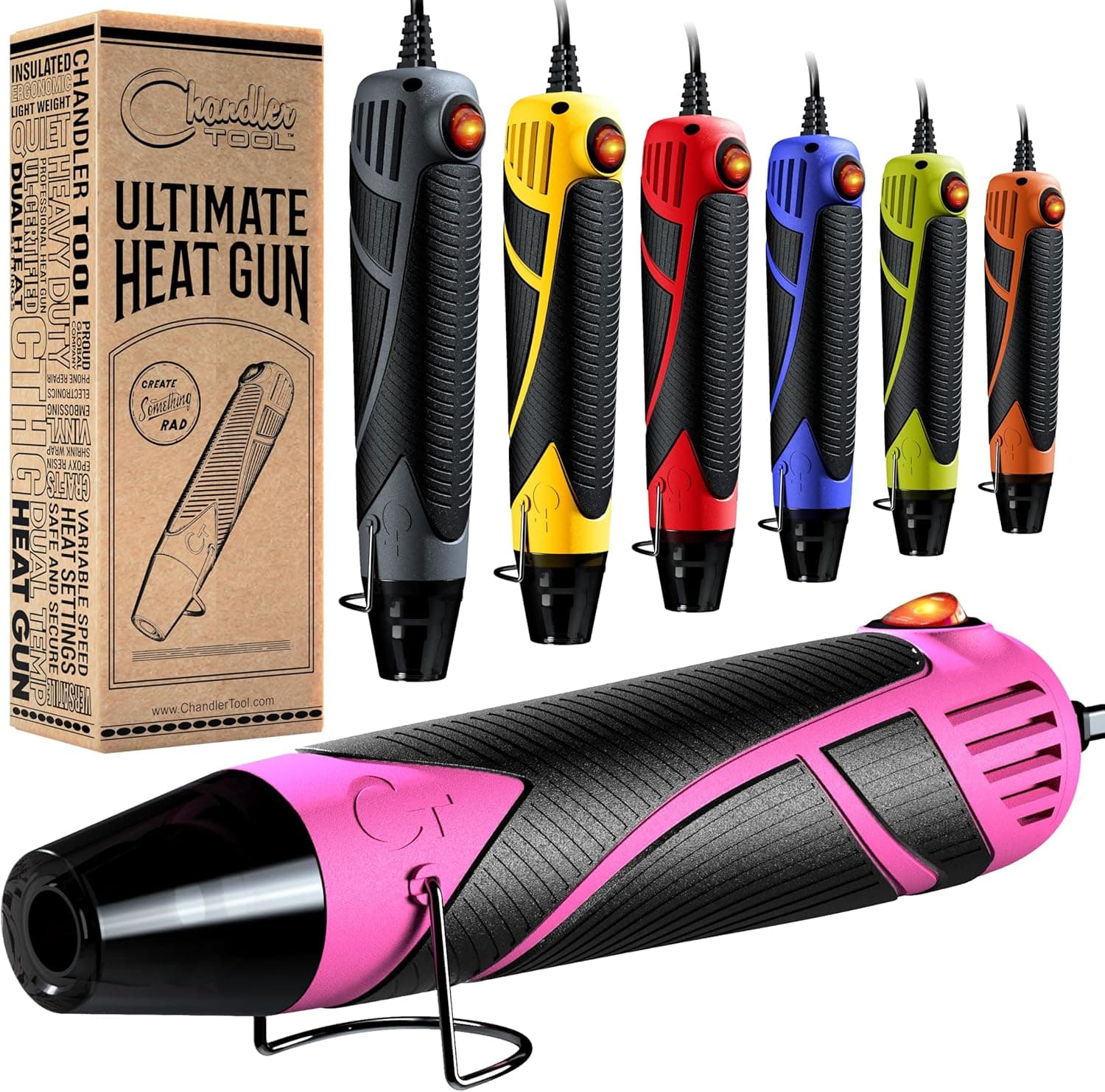
Mini heat guns make sense for embossing, vinyl, resin bubbles, labels, and small craft-table jobs.
Reflector, reduction, glass-protection, and wide nozzles change how heat reaches the workpiece.
A hair dryer is gentler, but it cannot safely replace a heat gun for many high-temperature jobs.
Vinyl wrap work needs controlled warming, patience, and distance so film stretches without burning.
Electronics work can require more precision than a general heat gun provides, especially near small components.
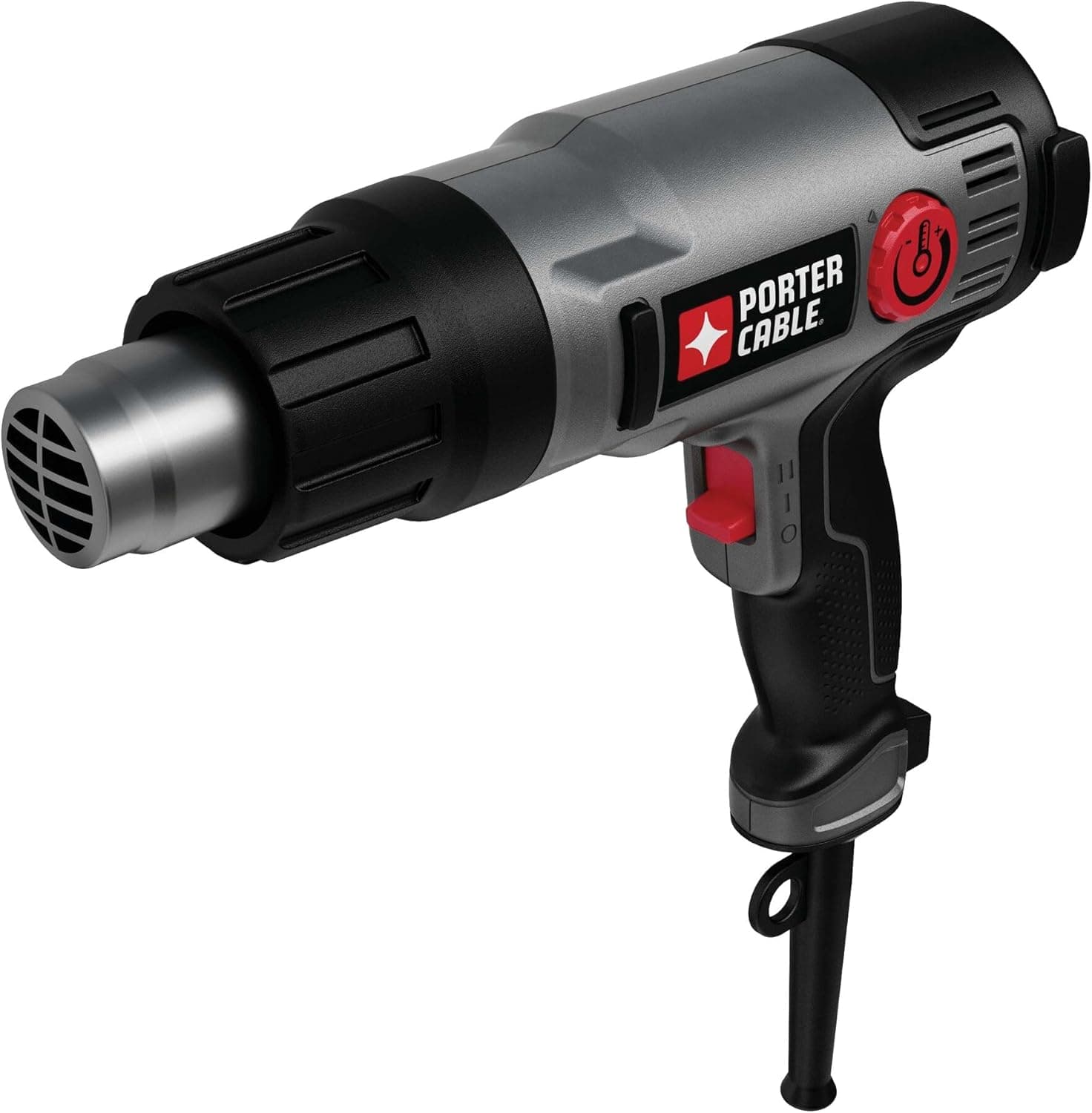
Wattage affects heat recovery and output, but control, airflow, and job type still matter.
Homeowners should prioritize simple controls, stable stands, useful nozzles, and safe storage.
Gentle heat can soften adhesive, but too much heat can damage paint, plastic, or glass.
The nozzle and nearby surfaces can stay dangerously hot after a project is done.
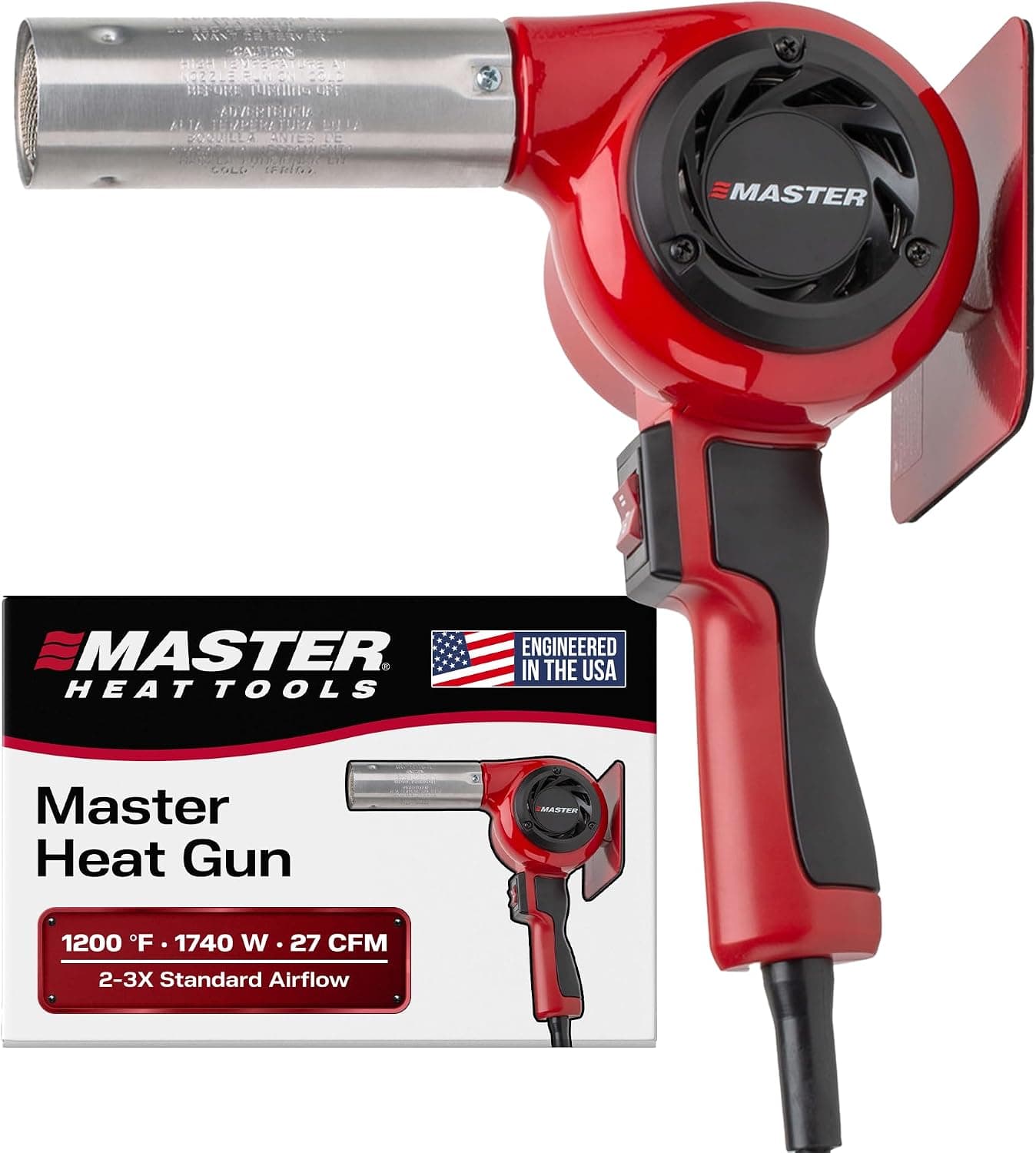
Small workshops benefit from reliable corded heat, safe stands, and nozzle organization.