
Safety · July 8, 2026
Heat Gun Safety Checklist for DIY Projects
A simple safety checklist for burns, fire risk, fumes, glass, paint, and flammable materials.
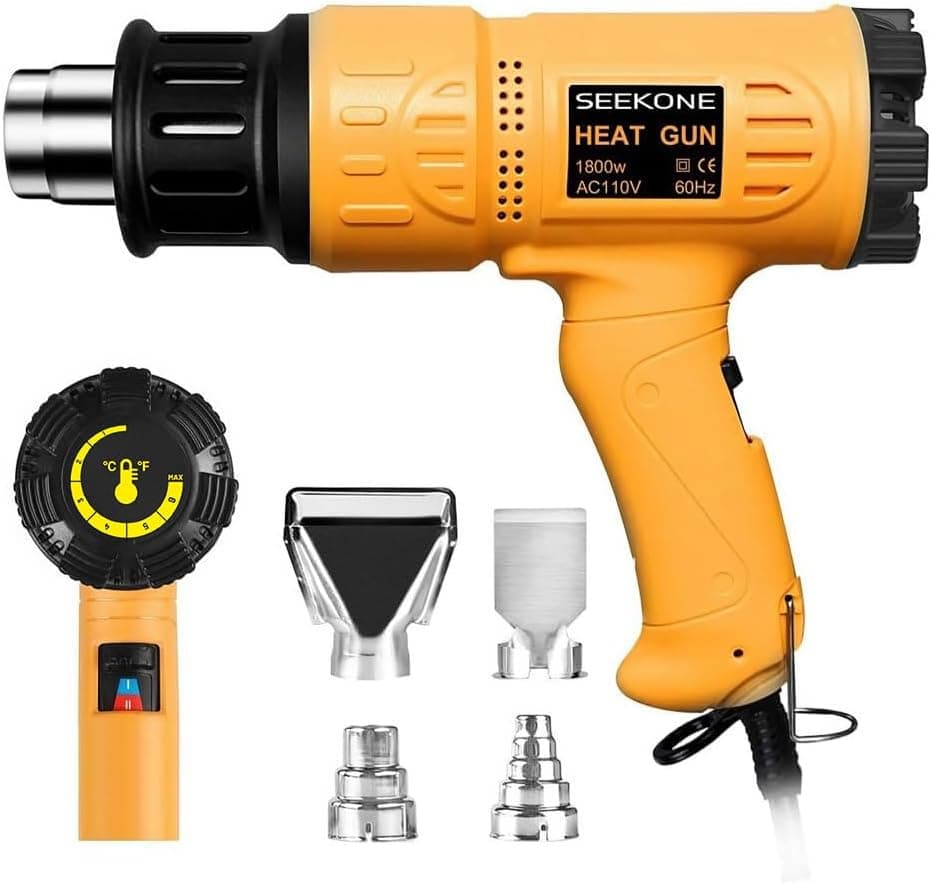
Start with the job, material, and risk
Heat Gun Safety Checklist for DIY Projects is not really a brand-first decision. It starts with the material, the working area, how long heat will be applied, and whether the job needs broad airflow, focused heat, or a small detail tool. For safety work, the safest purchase is the tool that gives enough control to finish the work without forcing you to use more heat than the material can tolerate.[3][1]
Before buying, write down the surface, the expected work time, nearby materials, and whether the job happens at a bench, on a ladder, in a vehicle, or outdoors. That quick checklist separates full-size corded tools, compact craft tools, nozzle-heavy kits, and cordless service tools more reliably than wattage alone.[3]
Specs that matter before the logo
Temperature control and airflow control matter most because they determine how gently you can approach the material. Wide nozzles spread heat across surfaces, concentrator nozzles focus heat, reflector nozzles help tubing, and glass-protection or deflector nozzles can reduce accidental damage near trim or edges.[3]
For corded models, compare the cord path, resting position, cool-down stability, and whether the controls are easy to adjust while wearing gloves. A tool that rests safely between passes is often easier to live with than one that only looks strong on paper.[1][3]
Safety checks before pulling the trigger
Clear paper, sawdust, rags, solvents, aerosols, plastic packaging, hair, loose cords, and anything else that could burn, melt, or release fumes. Plan a nonflammable cool-down spot before the nozzle gets hot, and keep the tool pointed away from people, pets, and finished surfaces.[1][5]
Use the lowest effective heat, keep the nozzle moving, and stop if the material smokes, gives off a harsh smell, discolors quickly, or changes shape faster than expected. Product manuals and material warnings should always override general buying advice.[1]
Mistakes that ruin projects
The most common mistake is holding the nozzle still while waiting for faster results. Stationary heat can scorch wood, blister paint unevenly, deform plastic, crack glass, damage wire insulation, or ignite debris just outside the target area.[1]
For larger DIY jobs, work in small sections and let the surface response guide the pace. If the job needs constant maximum heat, reassess the tool, nozzle, or removal method before pushing harder.[1][3]
How to verify the right pick
Open the current retailer listing and manufacturer page before buying. Confirm the temperature range, airflow settings, included nozzles, cord or battery configuration, warranty terms, and whether product photos show accessories that are actually included.[3]
A good choice for heat gun safety checklist for diy projects should make the work slower, cleaner, and more predictable. If two models look similar, choose the one with clearer controls, safer resting/cool-down behavior, and the accessory set that matches the job you will repeat most often.[1][2][3]
Recommended Next Step
Compare heat guns that fit this topic.
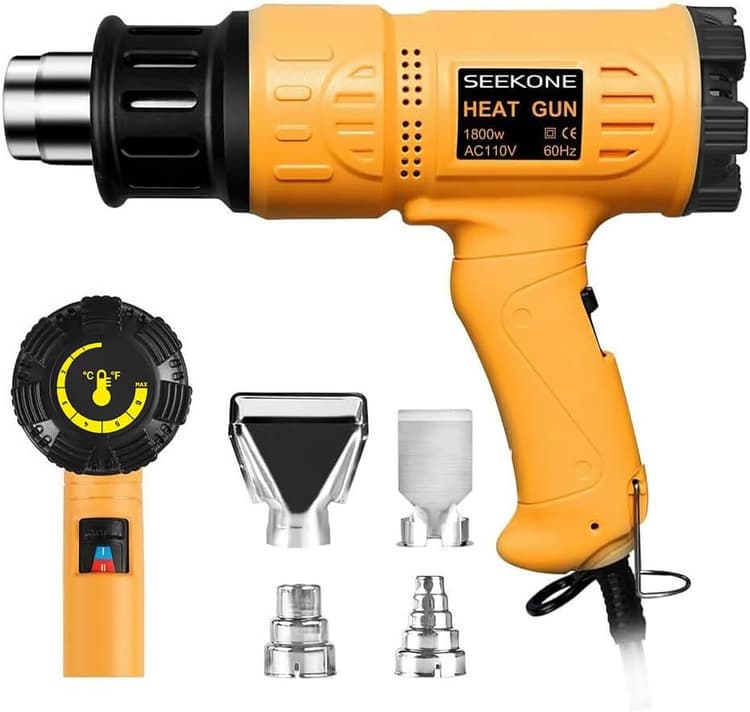
SEEKONE 1800W Variable Temperature Heat Gun
Best overall corded heat gun
A high-heat corded pick for paint softening, shrink tubing, PVC shaping, adhesive removal, and general workshop projects.
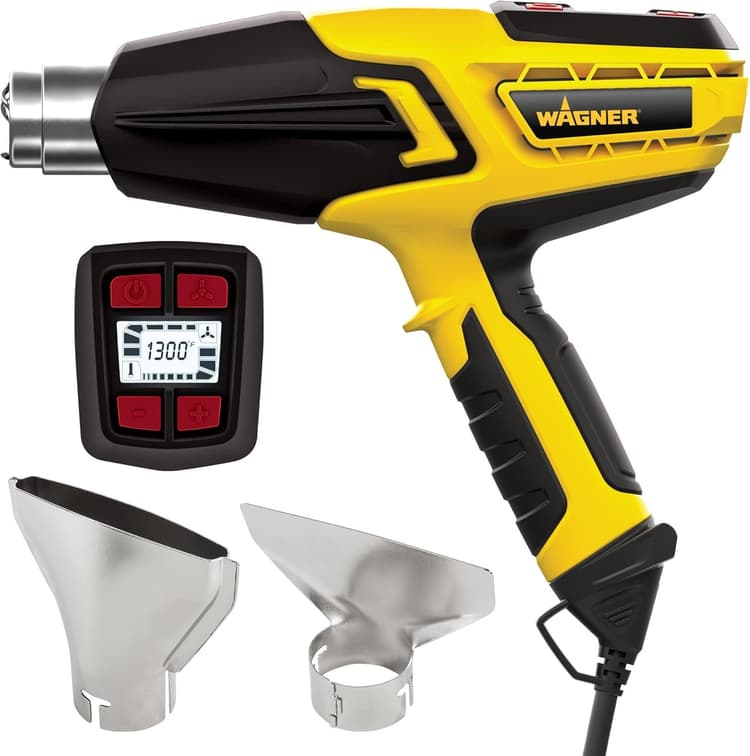
Wagner Furno 700 Heat Gun
Best digital temperature control
A premium DIY heat gun with digital settings for shoppers who want repeatable heat control for paint, film, and refinishing projects.
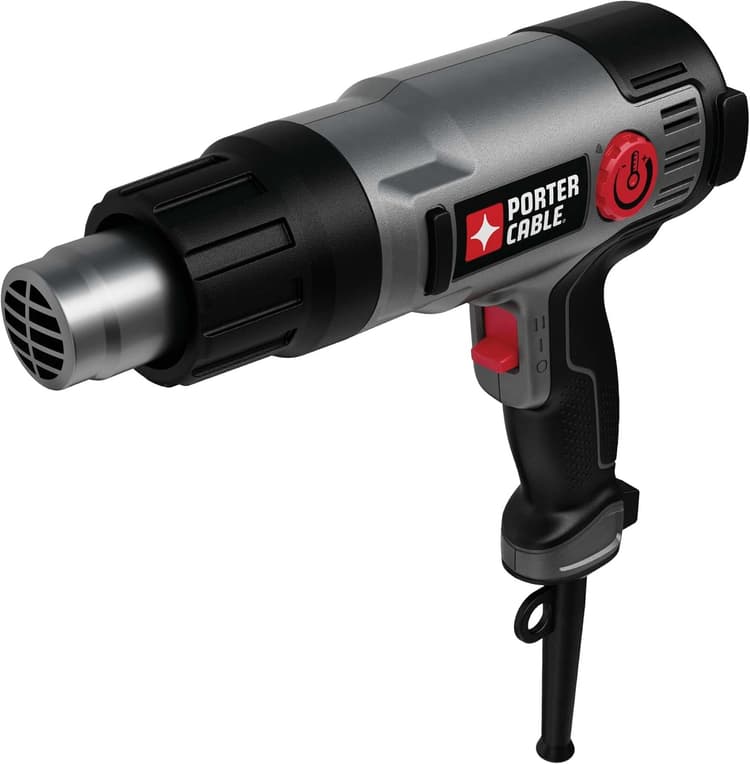
PORTER-CABLE PC1500HG Heat Gun
Best home repair workhorse
A proven-style corded heat gun for paint softening, adhesive removal, decals, thawing, and general garage projects.
Quick answers
What should I compare before acting on "Heat Gun Safety Checklist for DIY Projects"?
Compare the material, working area, temperature control, airflow, nozzle support, safety instructions, and whether a corded or cordless setup fits the job.
Should I buy from the article image alone?
No. Use the article to narrow the right type of heat gun, then open the review and retailer listing to confirm the current specs, accessories, seller details, and return policy.
What is the safest first step before using a heat gun?
Test on scrap material or a hidden area, start with the lowest effective heat, keep the nozzle moving, clear flammable items, and follow the manufacturer instructions.
Related Guides
Read Next
Heat Gun Storage and Cool-Down Safety
The nozzle and nearby surfaces can stay dangerously hot after a project is done.
Read articleHeat Gun Mistakes That Ruin Projects
Common mistakes include staying in one spot, overheating plastic, ignoring fumes, and using the wrong nozzle.
Read articleHow to Choose a Heat Gun Without Burning the Project
A practical first-pass guide to temperature, airflow, nozzles, safety, and which style of heat gun fits the job.
Read articleReferences
[1] Heat Gun Safety
Power Tool Institute
Visit source[2] Safety: Operating Heat Guns
DigiKey TechForum
Visit source[3] Heat Guns, Torches and Accessories Selection
DigiKey TechForum
Visit source[4] Lead-Safe Renovations for DIYers
U.S. Environmental Protection Agency
Visit source[5] Fire Response: Hot Work Precautions
Occupational Safety and Health Administration
Visit source